February 18, 2026
The world of rare coins is a fascinating intersection of history, art, and economics. Professional coin dealers possess a meticulous eye and a depth of knowledge essential for distinguishing official rare coins. With a profound responsibility in preserving historical artifacts, these dealers navigate a market filled with both potential and pitfalls. Their expertise helps uncover hidden value in coins that might otherwise be overlooked. With this knowledge, collectors and enthusiasts can prepare themselves to make informed decisions and appreciate the historical treasures within their grasp. Understanding the factors that drive value also allows collectors to build thoughtful, well-rounded collections.
1. Historical Significance
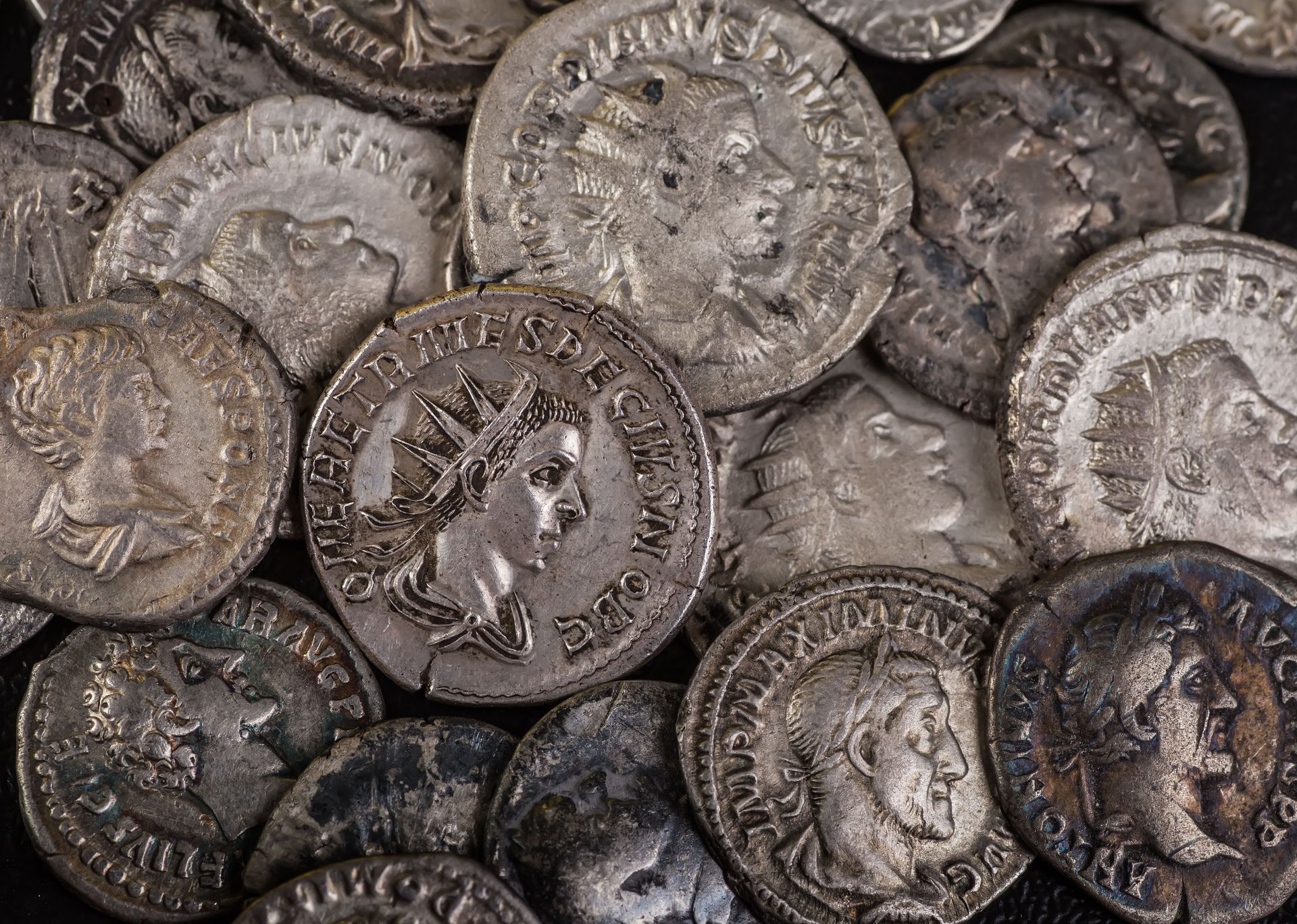
Professional coin dealers place strong emphasis on historical significance when evaluating rare coins. Pieces linked to important events, political shifts, or notable eras often command higher value because they serve as tangible connections to the past. Coins minted during ancient civilizations or major periods of change, such as economic upheavals or currency redesigns, are especially sought after. Understanding when and why a coin was produced provides essential insight into its rarity and appeal. Historical context also helps explain why certain coins maintain long-term collector interest across generations.
Coins featuring prominent historical figures further increase collector interest. Images of emperors, rulers, or influential leaders add symbolic value beyond the metal itself, representing power, culture, and legacy. Well-crafted engravings and clear depictions enhance desirability, turning coins into storytelling artifacts rather than simple currency. For collectors, these elements combine to make historically significant coins prized additions to any collection. The stronger the historical narrative, the more emotionally compelling the coin becomes to buyers.
2. Minting Errors
Minting errors add a distinct layer of rarity that professional coin dealers closely evaluate. Errors such as double dies, where designs or inscriptions appear duplicated, can transform an otherwise common coin into a highly desirable collectible. Because these flaws were unintended, they attract strong interest from collectors and often drive competitive bidding. The appeal lies in their uniqueness and the story behind how the mistake occurred. Each error represents a moment where standard minting controls briefly failed, a fact reflected in market activity. According to Yahoo Finance, eBay's sales of coins and coin collections show a sell-through rate of approximately 1,525%.
Other errors, including off-center strikes, die cracks, and planchet defects, further enhance a coin’s value. Misaligned strikes that leave part of a coin blank, raised lines from cracked dies, or inconsistencies in the metal blank all reflect the challenges of historical minting methods. Collectors prize these coins for the insight they provide into older production processes, making them standout pieces in both private collections and auction markets. The visibility and severity of an error often play a major role in its desirability.
3. Condition and Grading
Condition and grading are central to determining a coin’s value and market appeal. Coins are graded by experts on a scale from 1 to 70, with higher numbers reflecting minimal wear and stronger overall preservation. Dealers assess factors such as strike quality, surface condition, and overall eye appeal to assign an accurate grade. This grading provides buyers with a clear benchmark for quality and helps establish fair market expectations. A reliable grade also adds confidence during high-value transactions.
Key elements like luster and surface marks heavily influence a coin’s grade. Original luster signals limited handling and enhances desirability, while scratches, tarnish, or wear can significantly reduce value. Coins that retain strong luster and show minimal surface flaws are scarce and highly sought after. Experienced coin dealers rely on trained observation to identify these details, as well-preserved coins often attract heightened interest and competitive bidding. Subtle surface differences can separate average coins from elite examples.
4. Rarity and Demand
Rarity and demand work together to shape a coin’s market value. Mintage numbers offer an initial gauge of scarcity, but true value emerges only when collector demand is strong. Auction results and marketplace activity provide practical insight into which rare coins attract competition and command higher prices. Coins with both limited availability and active buyer interest often achieve premium valuations. Demand ultimately determines how scarcity translates into price. Dealers often track these trends over time to predict which coins may increase in value.
Survivor estimates further refine perceptions of rarity by accounting for coins lost to circulation, damage, or melting over time. Even coins with high original mintages can become scarce if few examples remain today. Dealers also monitor shifting collector preferences and catalog rarities to anticipate changes in demand. Staying informed on these trends allows professional coin dealers to assess which coins are likely to hold or increase their appeal in the market. Market awareness is essential for accurate long-term valuation. Collector sentiment and emerging interests can influence these estimates and impact pricing strategies.
5. Provenance and Pedigree
Provenance and pedigree play a major role in a coin’s desirability and overall value. A documented ownership history, especially when tied to notable collectors or landmark auctions, can significantly elevate a coin’s appeal. Coin dealers carefully verify ownership records and supporting documentation to confirm authenticity and historical relevance. Coins with clear, well-documented provenance often command higher prices due to the prestige attached to their past. A verified history adds credibility that collectors feel confident in.
Association with renowned collections or prominent auction houses further enhances a coin’s status. Collections such as Eliasberg or Norweb carry strong recognition within numismatic circles, and coins traced to these sources inherit added credibility. Likewise, coins sold through major auction houses benefit from detailed records that strengthen their pedigree. This established history adds narrative depth, making such coins especially attractive to serious collectors. Pedigree can distinguish similar coins within competitive markets.
6. Aesthetic Appeal
Aesthetic appeal plays a meaningful role in a coin’s overall value, blending visual beauty with craftsmanship and design quality. Factors such as artistry, balance, and visual impact often draw strong interest from collectors and bidders. Coins that stand out visually tend to command higher prices, even without extreme rarity or notable minting errors. Dealers consistently factor aesthetic quality into appraisals because appearance strongly influences market demand. Visual appeal often shapes a buyer’s first impression.
Patina, coloration, and engraving quality further enhance a coin’s visual appeal. Natural aging can add depth and character, transforming a coin into a visually compelling historical artifact. Skilled engravings and fine details reflect both the talent of historic artisans and the minting technology of the era. Collectors often prioritize coins with strong artistic merit, valuing them as miniature works of art alongside their historical significance. These visual qualities help coins stand apart in crowded collections and often influence competitive bidding, with collectors willing to pay premiums for exceptional appearance.
Professional coin dealers have a profound responsibility in safeguarding historical legacies through their discerning evaluations. Understanding the factors they consider when determining a coin's rarity and value can provide deep insights into the art of coin collecting and the intricate world of numismatics. By examining these aspects, enthusiasts gain a greater appreciation for the meticulous work involved in coin evaluation. Whether it's a coin's historical significance, minting errors, condition, rarity, provenance, or aesthetic appeal, each factor is crucial. As collectors delve into this world, they connect with history in a tangible and enriching way, preserving the stories told through these tiny metal artifacts. Explore Hill Top Coins today to find expert guidance and exceptional rare coins to enhance your collection.