October 27, 2026
Rare coin collecting can be rewarding because every piece brings together history, scarcity, condition, and personal interest. Two coins that look similar may still have very different values. Differences in date, mintmark, grade, authenticity, or market demand can matter, which is why collectors benefit from learning how professionals evaluate coins.
Hill Top Coins in Marion, Iowa, has served collectors throughout Cedar Rapids, Marion, and Eastern Iowa since 2000. The family-owned and veteran-operated business buys, sells, and appraises rare coins, currency, precious metals, and jewelry and is an authorized dealer for PCGS, NGC, and PMG. Here are several things coin dealers want collectors to understand before buying, selling, or building a rare coin collection.
Rarity Is Important, but It Is Not the Only Factor
A low mintage can make a coin interesting, but rarity alone does not determine value. Collector demand, condition, historical importance, metal content, and the number of surviving examples can all influence what a coin is worth in the current market.
A coin with a small original mintage may attract limited interest, while another coin with more surviving examples may be actively pursued by collectors trying to complete a popular series. This is why experienced dealers look beyond a single statistic when evaluating a piece.
Hill Top Coins buys and sells U.S. coins, world coins, collector coins, gold, silver, and certified material. Its team also provides appraisals, which can help collectors understand how rarity fits together with the other factors that influence value.
Condition Can Create Large Differences Between Similar Coins
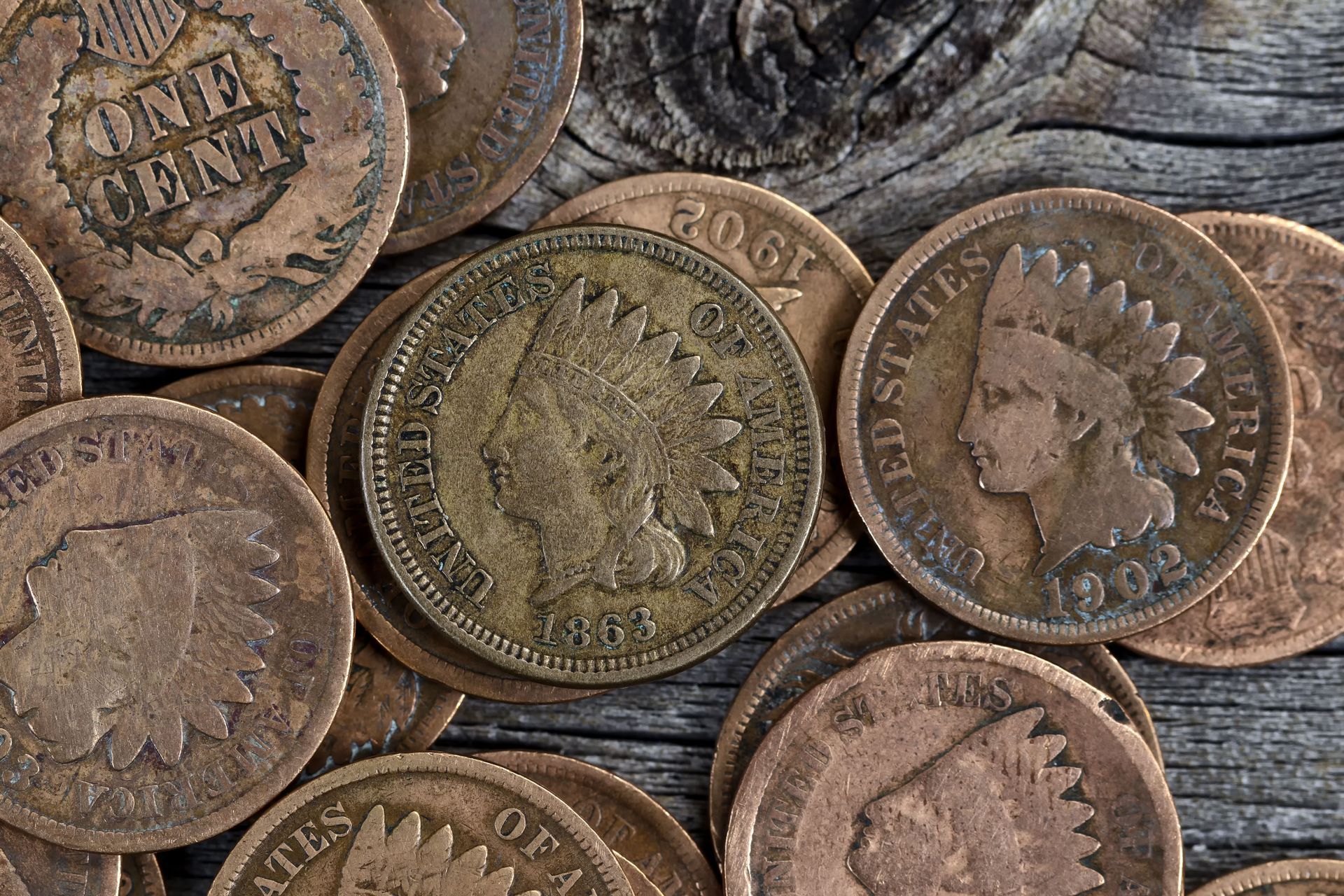
The condition of a coin can have a major effect on its desirability. Wear, scratches, cleaning, marks, luster, strike quality, and other surface characteristics all contribute to how a coin is evaluated. Two coins with the same date and mintmark can therefore receive different valuations.
Collectors should be cautious about judging condition based only on photographs or general appearance. Small details can matter, especially at higher grades.
Professional grading provides a standardized way to describe condition. Hill Top Coins is an authorized dealer for PCGS and NGC and offers certified coins and currency. Certified pieces have been professionally authenticated and graded, giving collectors documented information that can make comparison and recordkeeping easier.
Do Not Clean a Coin Before Having It Evaluated
One of the most useful lessons for newer collectors is that cleaning an old coin can reduce its collectibility. Polishing, scrubbing, using chemical cleaners, or trying to restore shine may alter the original surface and leave marks that experienced evaluators can recognize.
A coin that looks dirty does not necessarily need to be cleaned. Natural toning and signs of age can be part of the coin's history, while an improperly cleaned surface may be viewed differently in the marketplace.
Hill Top Coins specifically recommends that customers preparing to sell bring items in their original condition and allow the team to handle the sorting process. When in doubt, collectors are generally better off leaving a coin alone until a knowledgeable professional can examine it.
Authentication Matters More as Values Increase
Rare and valuable coins can attract counterfeits, altered dates, added mintmarks, replicas, and other misleading pieces. Some problems are obvious, while others can be difficult for a collector to recognize without experience or proper equipment.
Authentication is an important part of the rare coin market. Third-party grading services such as PCGS and NGC evaluate authenticity and condition, helping collectors reduce uncertainty.
Reputable coin dealers also rely on experience with genuine examples, grading standards, mint characteristics, and market knowledge when examining uncertified pieces. Collectors who are unsure about a coin should avoid making assumptions based solely on online photographs, seller descriptions, or claims about rarity.
Numismatic Interest Remains Strong
Rare coin collecting continues to attract people for many different reasons. Some collectors focus on a specific series, denomination, era, mint, or design. Others enjoy the historical stories connected to individual pieces, while some are interested in precious metal content or assembling complete sets.
According to the United States Mint, approximately 2.9 million numismatic products were sold during its most recently reported fiscal year. The Mint reported that silver coin products and annual core sets were among the strongest categories during that period.
Those sales do not determine the value of older rare coins, but they show continued public participation in numismatic products. Coin collecting remains an active hobby with many specialties.
Historical Context Can Add Meaning Beyond Price
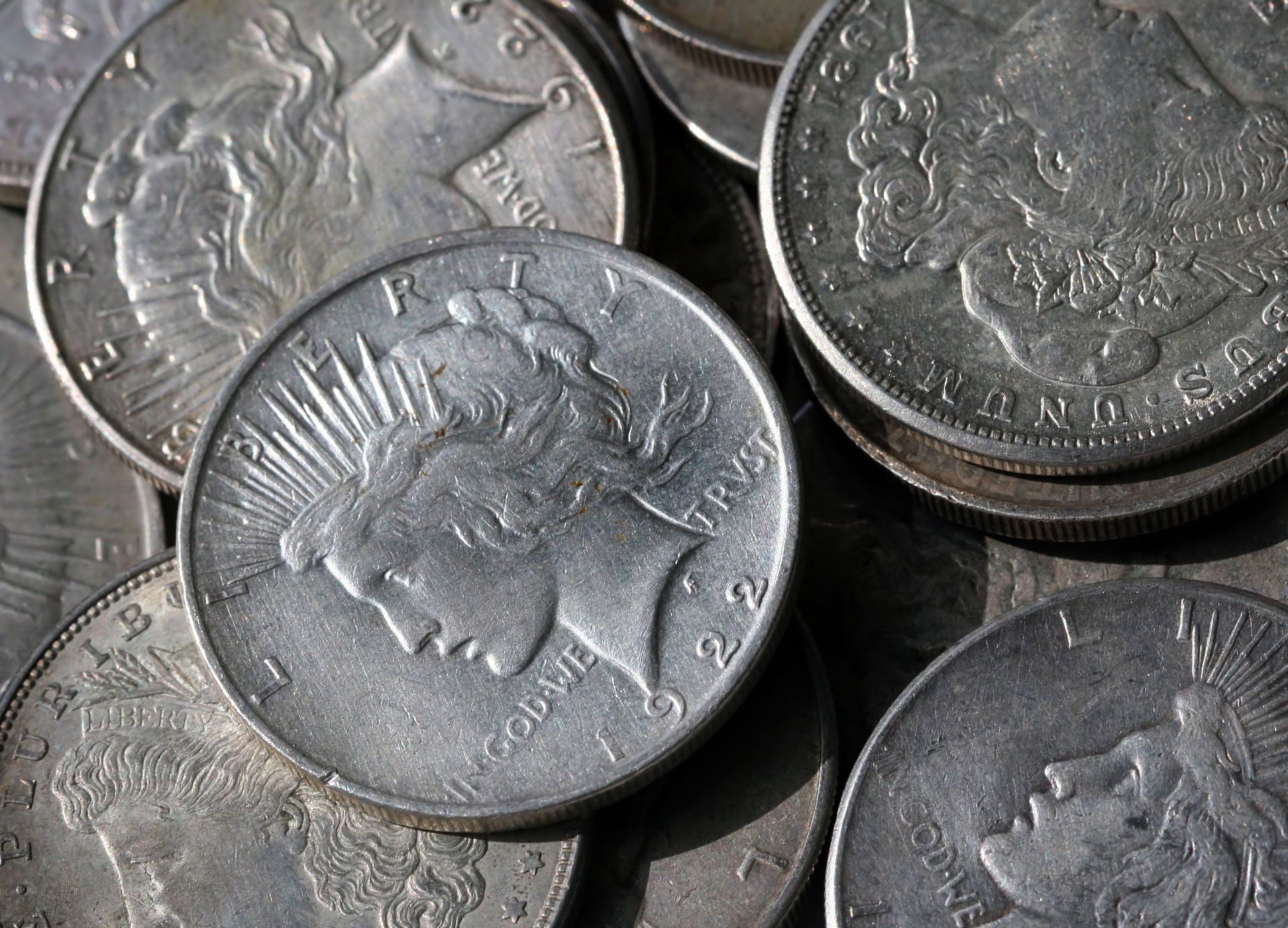
Part of the appeal of rare coins is that they are physical objects connected to a period. Dates, mint locations, changes in metal composition, economic events, and alterations in coin design can all help tell the story of when and why a coin was produced.
Learning that history can make a collection more meaningful. Instead of buying pieces only because a price guide labels them valuable, collectors can build around subjects they genuinely enjoy, such as early U.S. coinage, silver dollars, world coins, commemoratives, or coins from a particular period.
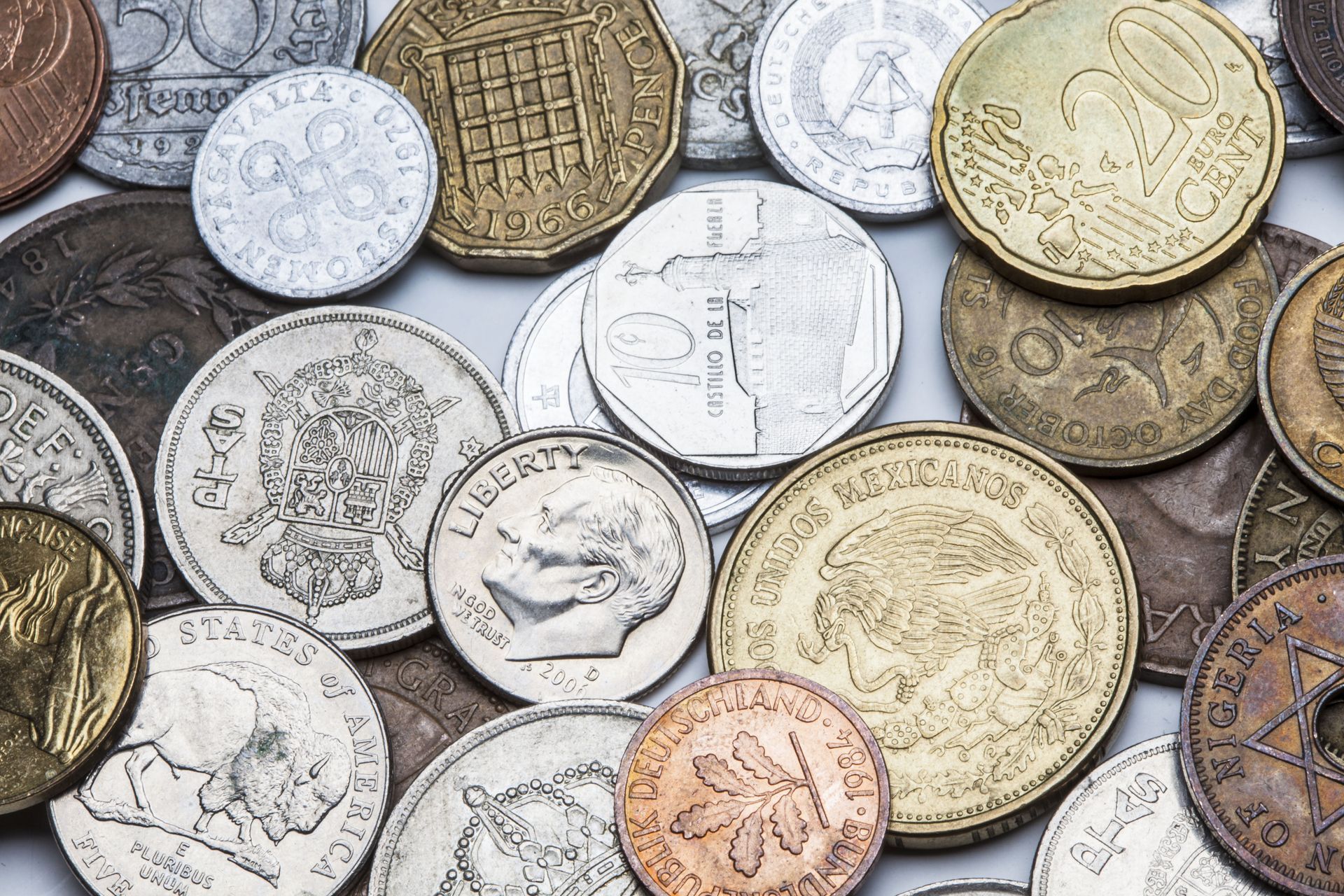
Hill Top Coins describes rare coins as a place where history and collecting intersect. Its inventory includes U.S. coins, dollar coins, half dollars, quarters, dimes, nickels, cents, world coins, and other collectible pieces, giving collectors several directions to explore.
Documentation Makes a Collection Easier to Manage
As a collection grows, good records become increasingly useful. Collectors can keep purchase receipts, certification numbers, grades, acquisition dates, photographs, and notes about individual coins. This information can simplify future collection reviews and help family members understand what is in the collection.
Documentation is especially useful for certified material because grading-service numbers provide an identifying reference. Hill Top Coins notes that keeping grades, certification numbers, and other details can assist with organization, insurance, and later evaluations.
Collectors should also keep important packaging and labels associated with certified coins. A well-organized collection is easier to review than a group of unidentified pieces stored without records or context.
Online Prices Do Not Automatically Equal Market Value
Searching online can be a helpful way to learn about coins, but asking prices should not be confused with completed-sale values. Anyone can list a coin at an unusually high price, and that listing does not mean buyers are actually paying that amount.
Condition also makes online comparisons difficult. A collector may find the same date and denomination listed at dramatically different prices because the coins are different grades, varieties, or levels of certification. Metal prices and overall market activity can also change over time.
Experienced coin dealers can help put those comparisons into context by examining the actual piece. Hill Top Coins requires a visual inspection before making an offer and does not provide coin evaluations over the phone, reflecting how difficult accurate valuation can be without seeing the item.
Selling an Inherited Collection Should Not Be Rushed
People sometimes inherit coins without knowing whether they are common, collectible, made from precious metal, or unusually valuable. The collection may contain carefully organized pieces, loose coins, old currency, bullion, jewelry, or items whose significance is not obvious to someone outside the hobby.
Before discarding packaging, cleaning coins, or separating items, it can be useful to have the collection reviewed as received. A professional appraisal can identify which pieces deserve closer attention.
Hill Top Coins offers buying, selling, and appraisal services for coins, currency, precious metals, and jewelry. The business emphasizes straightforward transactions, competitive market rates, and confidentiality, which can be particularly important when customers are sorting through inherited property.
A Good Dealer Relationship Is About More Than One Transaction
Collecting is an ongoing learning process. Values change, new pieces become available, grading standards require experience to understand, and collectors often develop new interests as they learn more about the hobby.
Working with knowledgeable coin dealers gives collectors a place to ask questions, compare pieces, discuss grading, obtain appraisals, and look for coins that fit an existing collection. Hill Top Coins has more than 40 years of industry experience and memberships in numismatic organizations including the INA and ANA.
Whether you are beginning a collection, evaluating inherited coins, or searching for a specific piece, the most useful approach is to keep learning and avoid making decisions based on rarity, appearance, or an online price alone. Experienced coin dealers can help explain how condition, authenticity, demand, certification, history, and current market activity come together, giving collectors a clearer understanding of the coins they own or hope to acquire.