March 17, 2026
Understanding how antique coin dealers appraise your valuable coin collection is essential for collectors seeking accurate valuation. This guide explains the most common methods used to determine what a coin is worth and why two similar-looking coins can receive very different price opinions. Whether you are new to collecting or have spent years building a set, learning the logic behind appraisal steps can help you avoid undervaluing a coin, overpaying for one, or mishandling pieces that require careful preservation. The goal is not just a number on a sheet, but a clear explanation of what drives that number and how you can document value over time.
1. Historical Significance Analysis
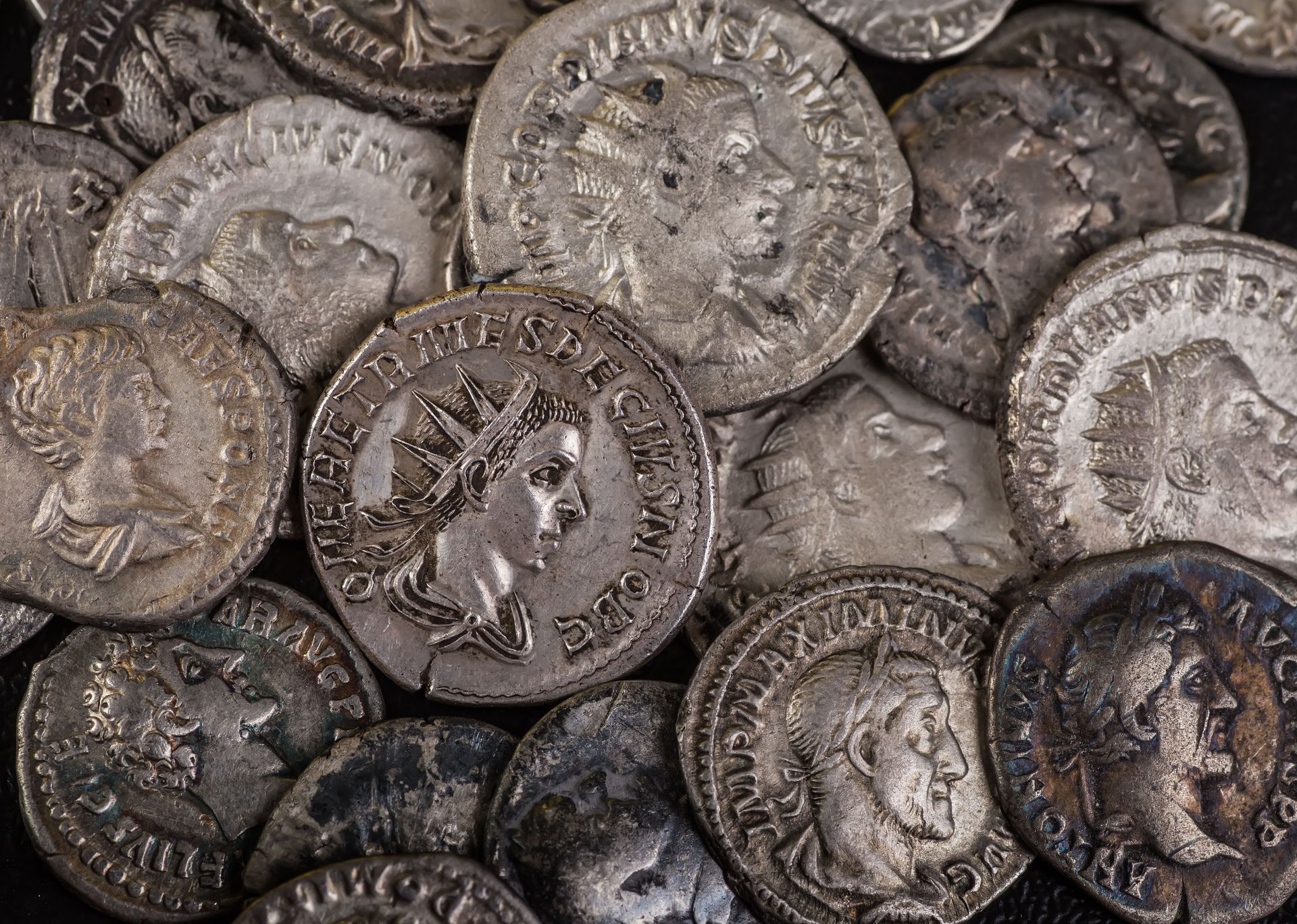
Historical context often sets the foundation for valuation because coins are artifacts that reflect real moments in time. Antique coin dealers typically begin by researching the era of issue, including the political climate, economic conditions, and the purpose of the coinage. Coins minted during wars, depressions, regime changes, or short-lived governments may carry added demand because collectors value the story and scarcity tied to those events. Dealers also look at iconography, rulers, national symbols, and commemorative themes, since these details can broaden collector interest beyond numismatics into history and cultural collecting.
Documentation strengthens this step. Old catalogs, mint records, published research, and referenced collections help confirm whether a coin is common for its type or notable for its context. A well-supported history can increase confidence in a valuation, especially when provenance connects a piece to an important collection or a traceable auction record. When history is unclear, dealers may assign a more conservative value until additional evidence supports a stronger claim.
2. Condition and Preservation Assessment
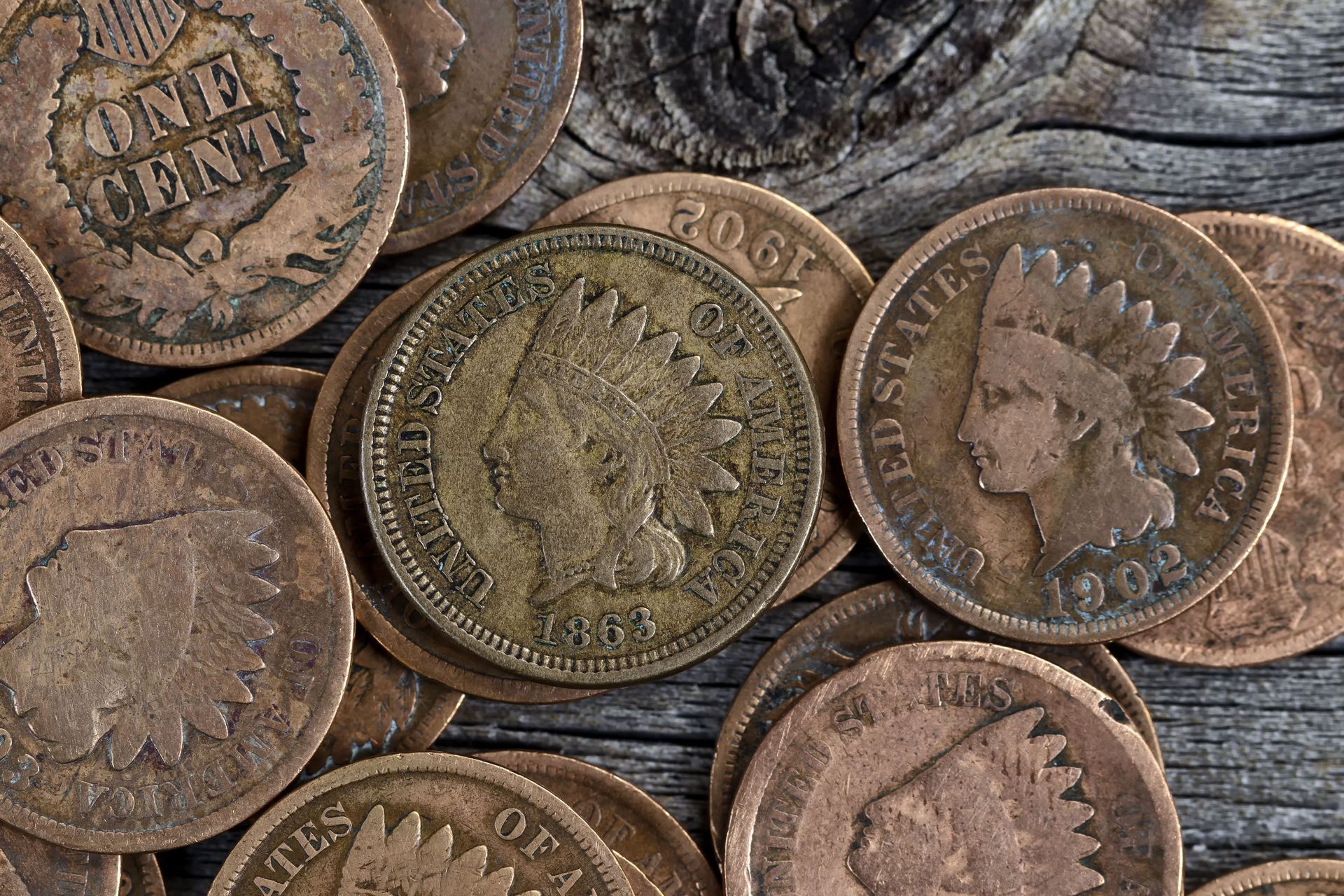
Condition is one of the most visible value drivers, and antique coin dealers usually inspect surfaces first because wear patterns reveal how a coin has been handled and stored. They look for detail loss on high points, scratches, rim damage, spotting, and evidence of cleaning. Even minor issues can matter because collectors often pay premiums for coins with sharp design elements, stable surfaces, and attractive eye appeal. Dealers frequently use magnification and angled lighting to highlight hairlines or abrasions that are easy to miss in casual viewing.
Grading language also matters. Dealers may reference common industry scales and consider attributes like strike quality, luster, and the overall balance of marks across the coin. Patina can be a positive feature when it is natural and consistent, while corrosion, active verdigris, or harsh cleaning can reduce desirability. If a coin has been repaired or altered, the appraisal may reflect reduced originality, even if the coin looks brighter to the untrained eye.
3. Authenticity Verification Practices
Authentication protects collectors from costly mistakes, and antique coin dealers watch for counterfeit indicators such as incorrect weight, abnormal edge features, blurry devices, and inconsistent lettering. Visual review is often paired with measurements of diameter and thickness, because small deviations can signal casting or tooling. Metal composition is another checkpoint; unusual color, plating behavior, or unexpected magnetism can suggest a modern imitation rather than a genuine strike.
When higher value is involved, technology may be used to increase confidence. Spectrometers, X-ray fluorescence testing, and high-resolution imaging can confirm whether the metal mix aligns with known standards for a specific issue. Dealers may also compare die markers, mint-specific characteristics, and known varieties to separate authentic examples from convincing fakes. Provenance records, old invoices, and auction house listings strengthen legitimacy and can support a higher valuation when they show a clear ownership chain.
4. Rarity and Demand Evaluation
Rarity is not only about how many were minted, but how many survived in collectible condition, and this is where antique coin dealers weigh supply against active demand. A coin can have a low mintage yet still be widely available, while another with higher production can be scarce because of melting, circulation losses, or poor survival rates. Dealers often review population data, known hoard discoveries, and current collector interest to estimate how difficult a coin is to replace.
Demand can shift quickly. New collectors entering the market, a popular book or documentary, or renewed interest in a specific series can move prices upward. Market chatter sometimes points to high monthly sales totals, with some outlets reporting coin businesses generating strong earnings during active cycles. According to Yahoo Finance, monthly sales earnings for coins can reach upwards of $290,000. While individual results vary, these signals help explain why a coin’s value can rise even when the coin itself has not changed. A strong appraisal accounts for both long-term rarity and current buyer behavior.
5. Comparable Sales and Market Benchmarking
Another core method involves comparing a coin to recent sales of similar pieces, and antique coin dealers often treat auction outcomes as real-time benchmarks. They study final prices, grade differences, eye appeal notes, and whether the coin carried special pedigree or exceptional photography that may have boosted bidding. Private sale data and dealer network pricing can also shape the picture, especially for coins that do not appear at auction often.
Economic factors play a role too. Inflation, changes in disposable income, and shifts in investment sentiment can influence the market for collectibles. In stronger markets, certain categories may experience faster appreciation, while uncertain markets can cool demand, widening the gap between retail asking prices and actual transaction values. A careful dealer explains which comps are most relevant and why a high sale from several years ago may not represent today’s reality.
6. Unique Features and Anomaly Identification
Coins with unusual attributes can break typical pricing patterns, and antique coin dealers pay special attention to mint errors, engraving mistakes, off-center strikes, doubled elements, and other anomalies. These coins can be more valuable than standard issues because they combine collector curiosity with genuine scarcity. However, they also require careful verification since altered coins are sometimes presented as “errors” when they are actually damaged or manipulated after minting.
Metal composition can also elevate value, especially when precious metals are involved or when an alloy variety is uncommon for the issue. Special edition releases and commemoratives may carry premiums if collector interest remains strong and supply is limited. Provenance can be the final amplifier in this category; a coin connected to a known collection, historical figure, or major event may attract buyers who care about narrative as much as the coin itself.
7. Collector Preparation and Appraisal Readiness
To get the most accurate appraisal, it helps to organize your collection before you meet with a dealer. Group coins by country, denomination, and date, and keep any flips, holders, receipts, or certificates that came with them. Avoid cleaning coins, even gently, because cleaning can permanently change surfaces and reduce value in many collectible categories. If you suspect a coin is high value, handle it by the edges and consider placing it in an inert holder to protect it from fingerprints and environmental exposure.
It also helps to document what you know. Notes about where a coin was purchased, who previously owned it, or which auction it came from can support provenance. Taking clear photos and recording weights and measurements can speed up the evaluation process and help you compare feedback across multiple opinions. When you understand how the process works, you can ask better questions and recognize when an explanation is thorough versus vague.
Appraising a coin collection involves multiple layers of analysis, including history, condition, authenticity, rarity, and market comparisons. The strongest valuations are supported by evidence, consistent grading logic, and realistic comps rather than guesswork or hype. By learning the criteria used during reviews and keeping your coins properly stored and documented, you position yourself to make informed decisions about buying, selling, insuring, or simply preserving your collection for the future. Contact our team at Hill Top Coins today to get connected with our coin services.