November 3, 2026
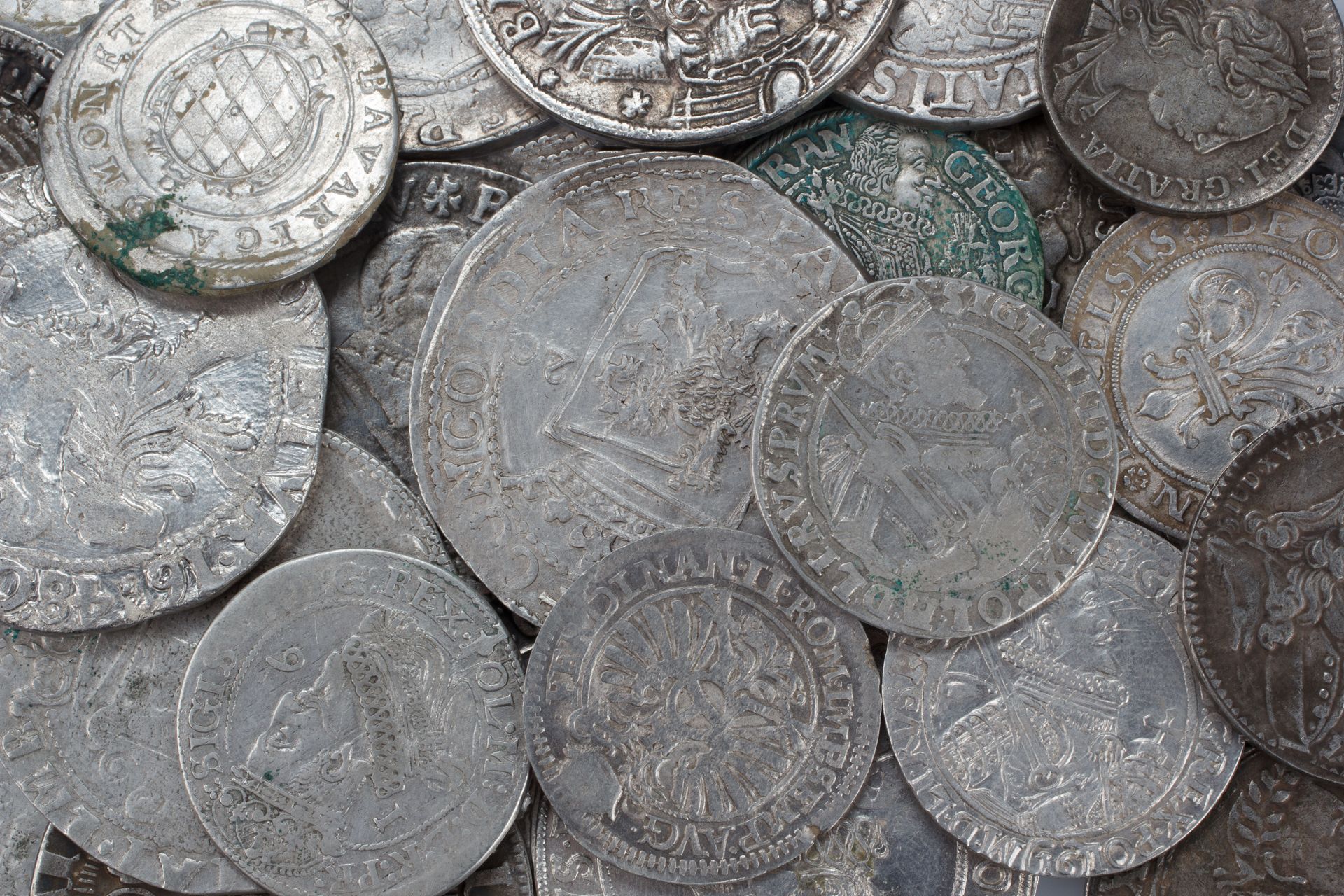
Silver has been valued for thousands of years, and it's still one of the most popular precious metals for collectors and buyers alike. Whether you're picking up your first silver coin, adding to a growing collection, or looking for a tangible asset to hold, buying silver can be both rewarding and fun. Still, not every purchase is the same, and a little knowledge goes a long way.
Before you buy, it helps to understand what you're paying for, how pricing works, and what separates a great piece from a questionable one. Below, we'll walk through the key things to consider when you're buying from a trusted silver dealer like us, so you can shop with confidence and make choices that fit your goals.
Understanding the Current Silver Market
Silver isn't just a collectible or a store of value. It's also an important industrial metal used in electronics, solar panels, medical equipment, and more. That mix of investment and industrial demand is part of what makes silver unique, and it's one reason the market can move in ways that surprise new buyers.
According to the Silver Institute, the global silver market is expected to see its sixth straight year of supply deficit, with industrial demand projected at around 650 million ounces. Supply and demand trends like these are worth knowing about, but no one can predict exactly where prices will go. It's smart to keep a long-term view and buy based on your own goals rather than short-term headlines.
Comparing Coins, Bars, and Rounds
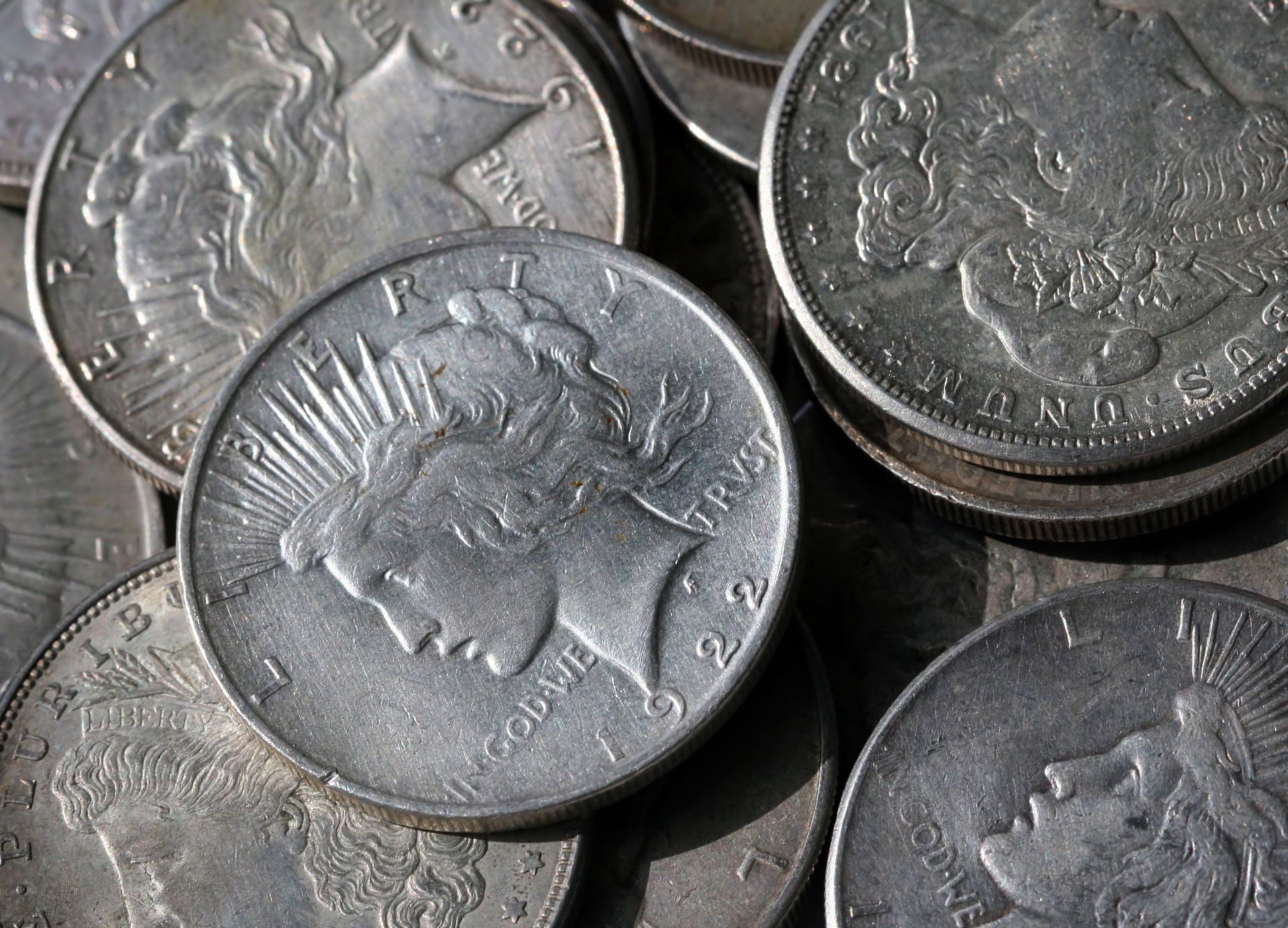
Silver comes in several forms, and each one has its own appeal. Government-minted coins are produced by national mints and carry a face value, along with recognizable designs that many buyers love. They're widely known and often easy to sell later, which makes them a popular choice for first-time buyers.
Bars and rounds are typically made by private mints. Bars come in a range of sizes and usually carry lower premiums per ounce, which appeals to buyers who mainly care about the metal itself. Rounds look similar to coins but don't carry a face value. Talking with an experienced silver dealer like us can help you decide which form best matches what you want from your purchase.
Knowing the Difference Between Bullion and Numismatic Value
Not all silver is priced the same way. Bullion is valued mainly for its metal content, so its price tends to follow the market price of silver closely. Numismatic coins, on the other hand, are valued for their rarity, age, condition, and historical interest, which can push their worth well above the value of the silver they contain.
Both types can have a place in your collection, but it's important to know which one you're buying. A rare coin may carry a significant premium because collectors want it, while a common bullion coin is all about the silver. Understanding that difference helps you compare prices fairly and avoid paying collector prices for pieces that don't have collector appeal.
Understanding Spot Price and Premiums
The spot price is the current market price for one ounce of raw silver. When you buy a coin, bar, or round, you'll usually pay a premium above spot. That premium covers costs like minting, design, distribution, and the dealer's business expenses. It can vary depending on the product, its popularity, and current demand.
Lower premiums aren't always better, and higher premiums aren't always a bad deal. A well-known coin may cost a bit more upfront but be easier to sell later. As your local silver dealer, we'll explain how a price is calculated and why one item costs more than another. If a deal looks far below the going rate, it's worth taking a closer look before you buy. It's also helpful to ask whether a quoted price includes any fees, so you know the full cost of your purchase up front.
Checking Purity and Authenticity
Silver purity is usually listed as a decimal, such as .999 or .9999 fine, which tells you how much of the piece is pure silver. Older coins and some collectible pieces may have lower silver content, so it's important to know exactly what you're getting. Clear markings, weights, and dimensions all help confirm what a piece should be.
Counterfeit silver has become more common, especially through online marketplaces and unknown sellers. Fakes can look convincing at first glance, but they often have the wrong weight, size, or metal composition. Buying from a reputable local silver dealer like us gives you an extra layer of protection, since established shops have the experience to spot red flags and stand behind what they sell.
Looking at Certified and Graded Coins
Third-party grading services like PCGS and NGC evaluate coins for authenticity and condition, then seal them in protective holders with an assigned grade. Certified coins give buyers more confidence, since an independent expert has already reviewed the piece. Grading is especially important for rare or higher-value coins, where small differences in condition can have a big effect on value.
If you're interested in collectible silver, certified coins can make the buying process simpler. The grade and certification number make it easier to research the coin and compare it to similar pieces. As an authorized PCGS and NGC dealer, we're happy to help you understand grades and what they mean for the coins you're considering.
Evaluating Experience and Credentials
Who you buy from matters just as much as what you buy. An established silver dealer like ours should have a track record in the community, clear pricing, and a willingness to answer your questions without pressure. Reviews, word of mouth, and how long a shop has been in business can all tell you a lot.
Professional memberships are another good sign. Organizations like the American Numismatic Association hold members to standards of ethical conduct, which gives buyers added peace of mind. You should also feel comfortable during the transaction. A trustworthy dealer respects your privacy, explains your options clearly, and never rushes you into a decision.
Planning for Storage and Resale
Once you've bought silver, you'll need a safe place to keep it. Many buyers use a home safe, while others prefer a safe deposit box. Keeping coins in their original packaging or protective holders helps preserve their condition, which is especially important for collectible and graded pieces. Avoid handling coins with bare fingers, since oils and moisture can affect their surfaces over time. Keeping a simple record of what you own, including purchase dates and prices, can also be helpful for insurance and future sales.
It's also wise to think about selling before you buy. Popular, recognizable products are generally easier to sell than obscure ones. Working with a local silver dealer like us, since we also buy precious metals, makes the process simpler down the road, whether you're trading up, downsizing your collection, or settling an estate.
At Hill Top Coins, we're a locally owned, family-owned, and veteran-owned shop in Marion, IA, proudly serving Cedar Rapids and the surrounding Eastern Iowa communities. We buy and sell silver coins, bars, and rounds, along with gold, platinum, rare coins, and currency. We're members of the ANA, INA, and CCE, and we're authorized PCGS, NGC, and PMG dealers. We also offer appraisals, competitive market rates, and confidential transactions. Contact Hill Top Coins today to find the right silver for your collection.