November 24, 2026
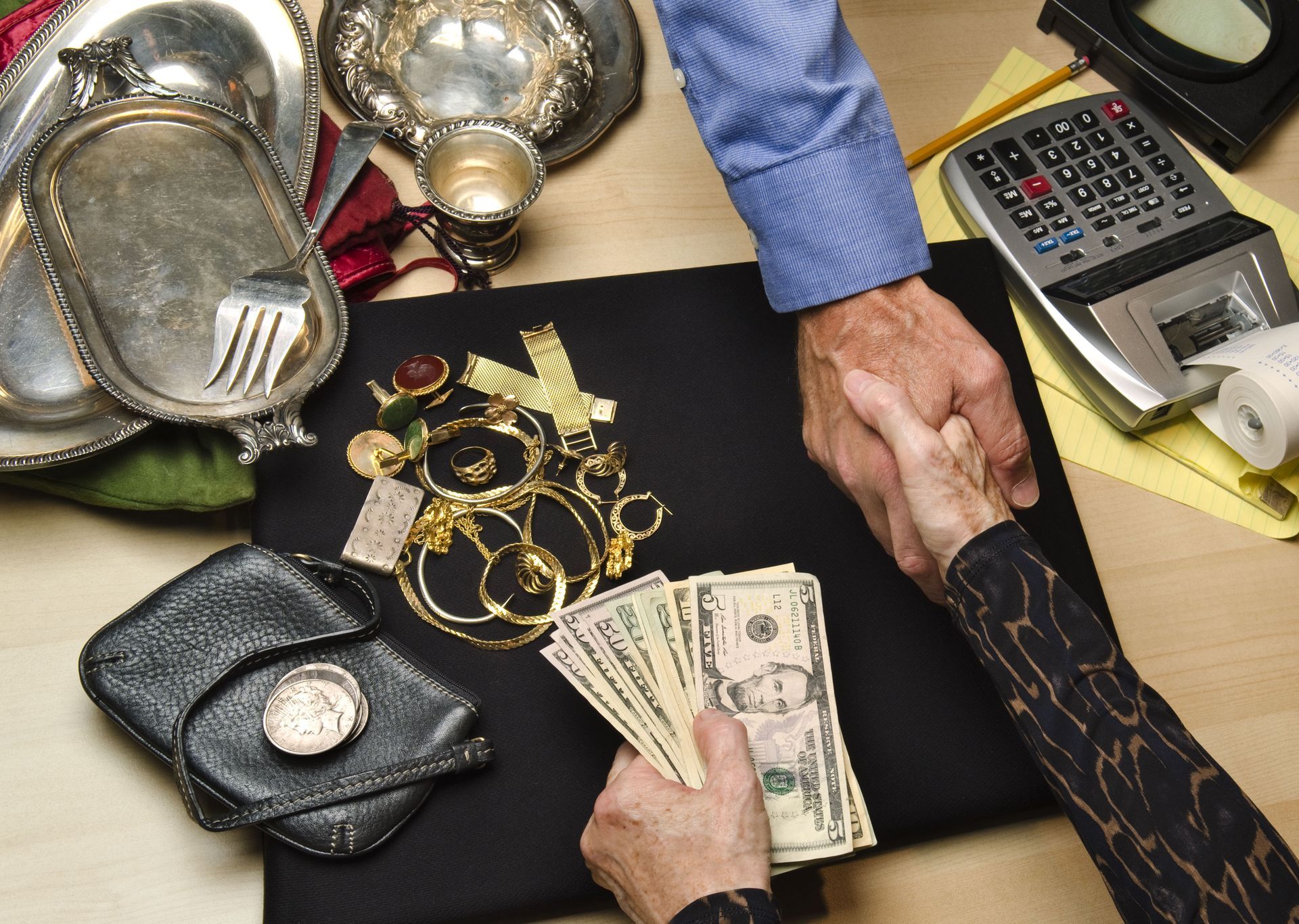
Precious metals have long held value because of their rarity, durability, and appeal to investors and collectors. Gold remains particularly important in the global economy and is commonly traded as jewelry, coins, and bullion. Understanding how precious metals are evaluated helps buyers and sellers make informed decisions. Gold dealers consider several factors, including purity, authenticity, condition, weight, and current market prices.
Understanding Gold Purity and Karat Ratings
One of the most important factors in evaluating gold is its purity. The karat system measures how much pure gold an item contains, with 24-karat gold representing nearly pure gold. Lower karat ratings indicate that other metals, such as copper or silver, have been added to improve durability or change appearance.
For example, 18-karat gold contains 75% pure gold, while 14-karat gold contains approximately 58.3%. These differences directly affect an item's intrinsic value because buyers are paying for the amount of precious metal present. Gold coins and bullion also have different purity levels, making accurate measurements important for determining their worth.
According to Hashtag Income, the U.S. has about 3,000 metric tons of gold reserves, demonstrating the metal's continuing importance to national financial holdings. Understanding purity helps gold dealers establish accurate valuations and distinguish between different types of gold products.
Comparing International Purity Standards
Although the karat system is widely recognized, other markets use different methods to communicate gold purity. Many European countries express purity in parts per thousand, with a 999 marking representing approximately 99.9% pure gold. Hallmarks can also provide information about an item's composition, origin, and authenticity.
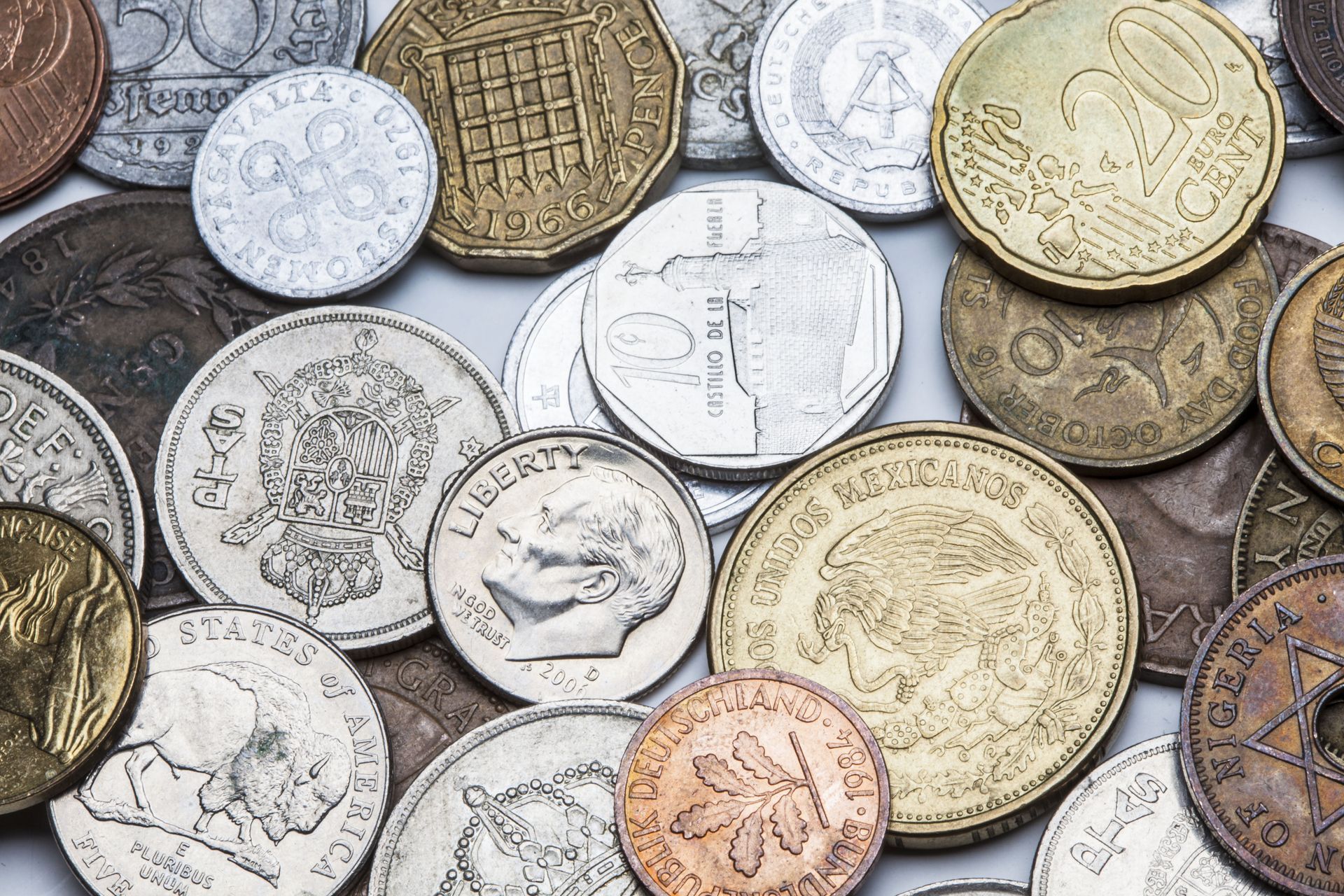
Gold dealers who handle international jewelry, coins, and bullion must understand these different standards. Recognizing regional markings helps prevent misunderstandings during transactions and supports accurate evaluations. Government regulations and industry standards also establish requirements for labeling and selling precious metals.
Examining the Condition of Precious Metals
The physical condition of a gold item provides additional information that can influence its value. Scratches, dents, discoloration, and other signs of wear may affect the desirability of jewelry and collectible pieces. Although these imperfections do not necessarily reduce the intrinsic value of the gold, they can influence its resale price.
Visual inspections also help identify manufacturing quality and historical characteristics. Handmade jewelry, vintage pieces, and collectible coins may have distinctive features that contribute to their desirability. Experienced gold dealers consider craftsmanship, markings, and physical condition when determining whether an item has value beyond its precious metal content.
Using Magnification to Identify Important Details
Magnification tools allow specialists to examine details that may not be visible during an ordinary inspection. A jeweler's loupe can reveal small hallmarks, manufacturing marks, scratches, and other identifying characteristics. These details help establish an item's authenticity, age, and potential collectibility.
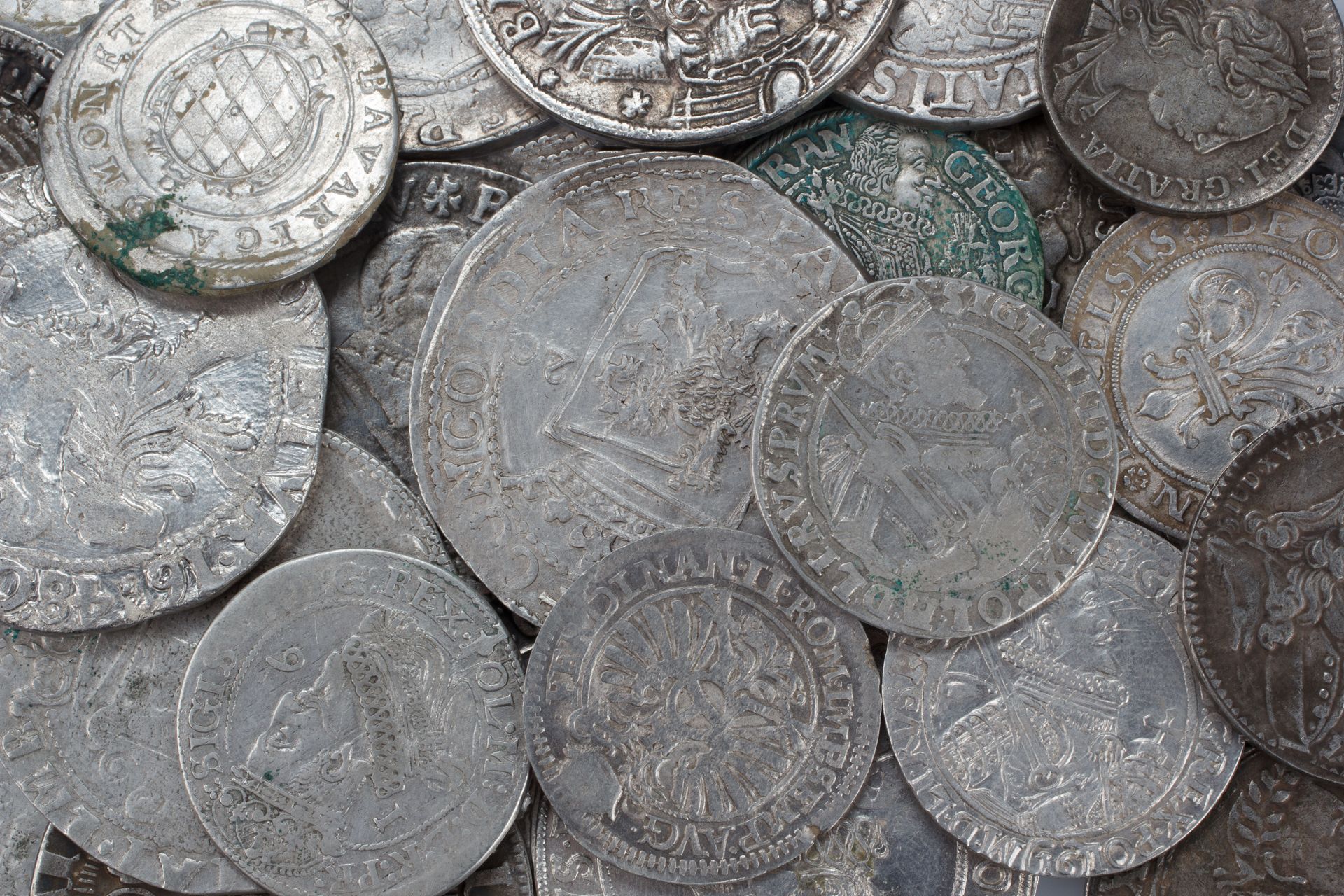
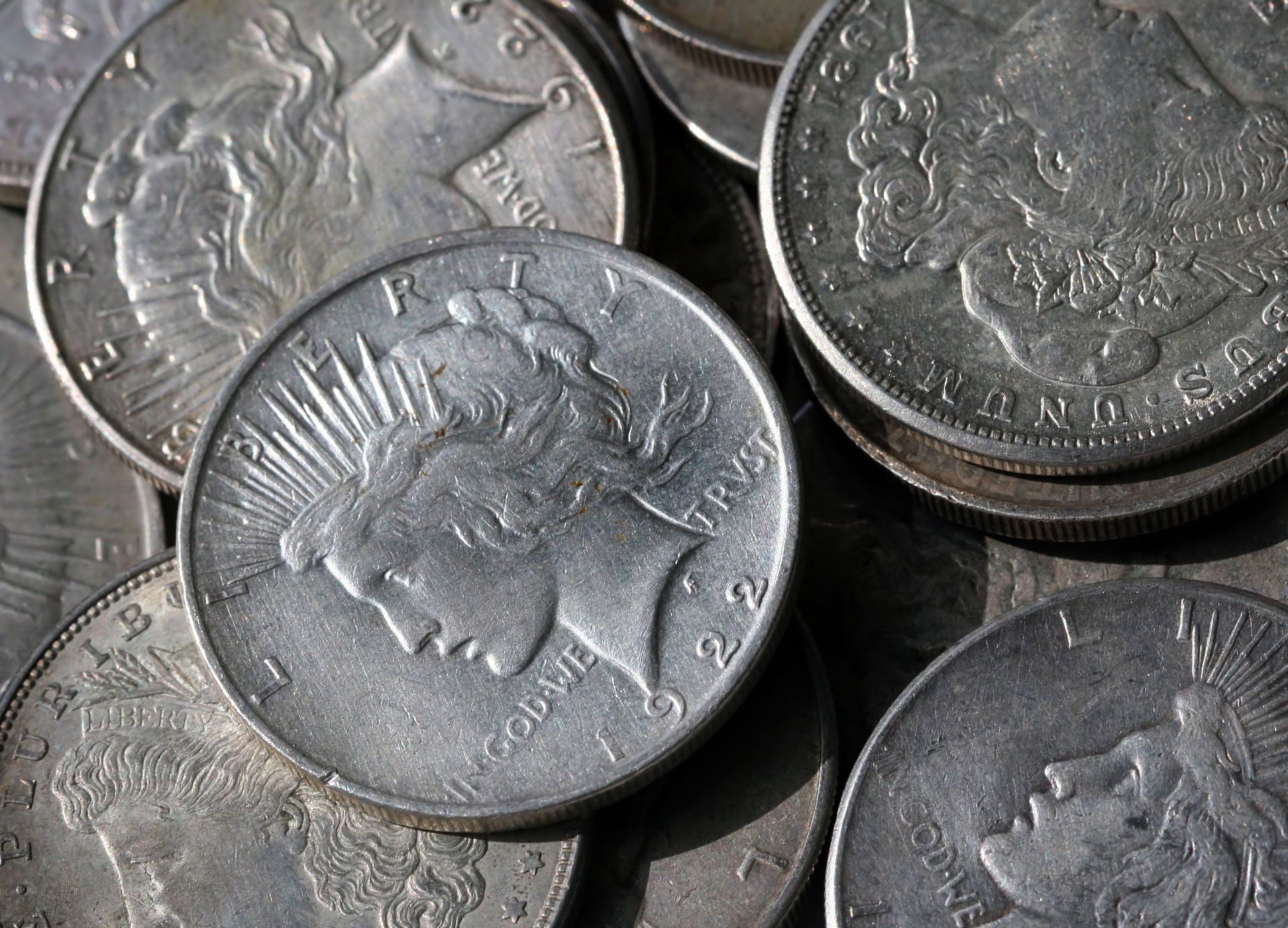
Magnification is especially useful when evaluating coins and intricate jewelry. Small differences in engravings, lettering, and decorative elements can distinguish genuine pieces from reproductions. Gemstones and other materials incorporated into jewelry may also contribute to its overall value.
Evaluating Gold Color and Luster
Color and luster are additional characteristics used during precious metal inspections. Pure gold generally has a rich yellow appearance, while the addition of other metals can produce different shades. White gold and rose gold demonstrate how alloy composition influences the appearance of finished jewelry.
Luster describes how a metal reflects light and can provide clues about its surface condition. Dullness, discoloration, or inconsistent coloring may indicate wear, plating, or previous alterations. However, appearance alone cannot establish purity, so additional testing is necessary before determining an item's value.
Identifying Counterfeit Precious Metals
Counterfeit gold presents challenges because imitation products can closely resemble genuine precious metals. Some counterfeit items use inexpensive metals with gold-colored coatings, while others imitate recognized coins and bullion products. Identifying these differences requires careful inspection and reliable testing methods.
Weight, dimensions, markings, and appearance can provide useful clues. An item that differs significantly from established specifications may require additional examination. Gold dealers also use specialized equipment to identify inconsistencies that might otherwise go unnoticed.
Understanding Traditional Gold Testing Methods
Traditional testing methods remain useful when evaluating precious metal authenticity and purity. One common approach involves using a touchstone to create a small streak from the gold item. A testing solution is then applied to help determine the approximate karat rating based on the resulting reaction.
Acid testing is another established technique that uses different solutions to identify approximate purity levels. Magnet testing can also serve as an initial screening method because genuine gold is not magnetic. However, passing a magnet test does not prove authenticity, making additional testing important.
Combining traditional techniques provides more information than relying on a single test. These methods can help identify potential concerns before more advanced analysis is performed. This layered approach supports more reliable evaluations.
Using X-Ray Fluorescence Technology
X-ray fluorescence, commonly called XRF, is an advanced method used to analyze the elemental composition of precious metals. The equipment directs X-rays toward a sample and measures the energy released by the material. This process provides information about the metals present and their approximate proportions.
One advantage of XRF testing is that it is generally non-destructive. This makes it useful when examining valuable jewelry, collectible coins, and bullion that should remain undamaged. Proper calibration, maintenance, and operator training are necessary to produce reliable results.
Understanding Ultrasound Testing
Ultrasound testing offers another non-destructive method for examining precious metals. It uses sound waves to evaluate an object's internal structure and identify inconsistencies that may not be visible on its surface. This can be particularly useful when examining thicker gold bars and other items where internal characteristics matter.
Changes in sound wave behavior can reveal differences in density, hidden voids, or structural irregularities. These findings may indicate that an item requires additional examination before its authenticity can be confirmed. Combining ultrasound analysis with other testing methods provides a more complete evaluation.
Considering Market Conditions and Resale Value
After examining authenticity, purity, and condition, market conditions become another important part of determining gold value. The spot price represents the current market price for a specific quantity of gold and changes in response to economic conditions, investor activity, and global supply and demand. These fluctuations can influence the amount buyers are willing to pay.
The weight and purity of an item help establish its underlying precious metal value. However, the final purchase or resale price may differ from the spot price because of refining expenses, operating costs, and dealer margins. Collectible coins and rare jewelry may also carry additional premiums based on their desirability.
Economic uncertainty can increase interest in gold as an investment, while changing consumer preferences influence demand for jewelry and collectible products. Gold dealers monitor these trends to establish competitive prices and make informed purchasing decisions.
Choosing Experienced Precious Metal Professionals
Selling or purchasing gold involves more than comparing weights and advertised prices. Authenticity testing, purity measurements, condition assessments, and current market information all contribute to a reliable transaction. Working with knowledgeable professionals can help ensure these considerations receive appropriate attention.
Reputable gold dealers should be able to explain their evaluation methods and the factors influencing their offers. Clear communication about testing procedures, purity ratings, and pricing helps establish trust between buyers and sellers. It also allows customers to understand the differences between intrinsic metal value and additional collectible or decorative value.
Gold remains an important commodity for investors, collectors, and individuals interested in preserving wealth. Its value depends on several factors, including purity, weight, condition, authenticity, and market demand. Professional evaluations bring these considerations together to establish a more accurate understanding of each item's worth.
Looking to buy or sell gold, silver, or collectible coins? Contact Hilltop Coins today to learn more about their precious metals services. Their knowledgeable team can help you evaluate your coins, understand current market values, and make informed decisions when buying or selling valuable metals.